

Maintenance strategy development: RCM, FMECA and PM optimisation
A maintenance strategy decides which tasks to do on each asset, how often, and which failures to design out or run to failure. Pardus builds strategies from the failure mode up, for a single fleet or a whole processing plant, and delivers them as task lists your CMMS can load.
- Methods
- FMECA to IEC 60812, RCM to SAE JA1011, PM optimisation
- Scale
- A concentrator build of about 5,700 PM task lists
- Loaded to
- Pronto and SAP PM, directly or through OnPlan
- Plant stage
- Greenfield, from P&IDs; or operating, from failure history
The questions this work answers
- Which PM tasks are worth doing, and which only cost labour and downtime?
- How often should each task be done: on calendar, on hours, or on condition?
- Which failure modes cost the most, and which should be designed out?
- What goes into the CMMS so planners can schedule it?
The technique follows the criticality
Not every asset earns a full FMECA. The depth of analysis is set by what a failure costs.
Critical assets: FMECA on RCM principles
Function, functional failure, failure mode, cause, effect and consequence at maintainable-item level, in facilitated workshops. Condition-monitoring tasks are preferred where a P-F interval exists; redesign or a spares holding is recommended where no task manages the risk.
Safety-critical assets: failure-finding tasks
As for critical assets, with failure-finding tasks for hidden functions such as interlocks, emergency systems and relief devices, and test intervals derived from the availability required.
Medium criticality: PM optimisation
OEM recommendations and library strategies reviewed for whether they apply and whether they work. Duplicated and ineffective tasks are removed and the checks standardised into check sheets.
Low criticality: OEM tasks or run to failure
A preventive task where it is cheaper than the failure. Otherwise run to failure, with the corrective work, the codes and the spares position defined so failures are captured.
How the work runs
1
Scope and plant index
Criticality confirmed, CMMS standards agreed, and every tagged item pulled from P&IDs, equipment lists or the existing register into a hierarchy aligned to ISO 14224.
2
Failure mode analysis
FMECA on RCM principles for critical assets, PM optimisation for the rest, with intervals set from Weibull analysis where the failure data supports it.
3
Tactics and site validation
One task for each failure mode worth managing, with frequency, trade, duration and plant state, reviewed in workshops with your maintainers, operators and reliability engineers.
4
CMMS load and handover
Task lists, instructions and BOM links in your CMMS’s upload format, checked by script before loading, then planner training and a review after the first 90 days.
What you get
- The FMECA register: every failure mode with its effect, criticality and decision.
- PM task lists with task, interval, trade, duration, plant state and spares, in your CMMS’s upload format.
- Service sheets and work instructions for the tasks that need them.
- Weibull results for the failure modes with enough data, and the interval each one supports.
- A critical spares list, with material requirements linked to the task lists.
- Planner and CMMS training, and a management-of-change rule for the task library.
Maintenance strategies at plant scale
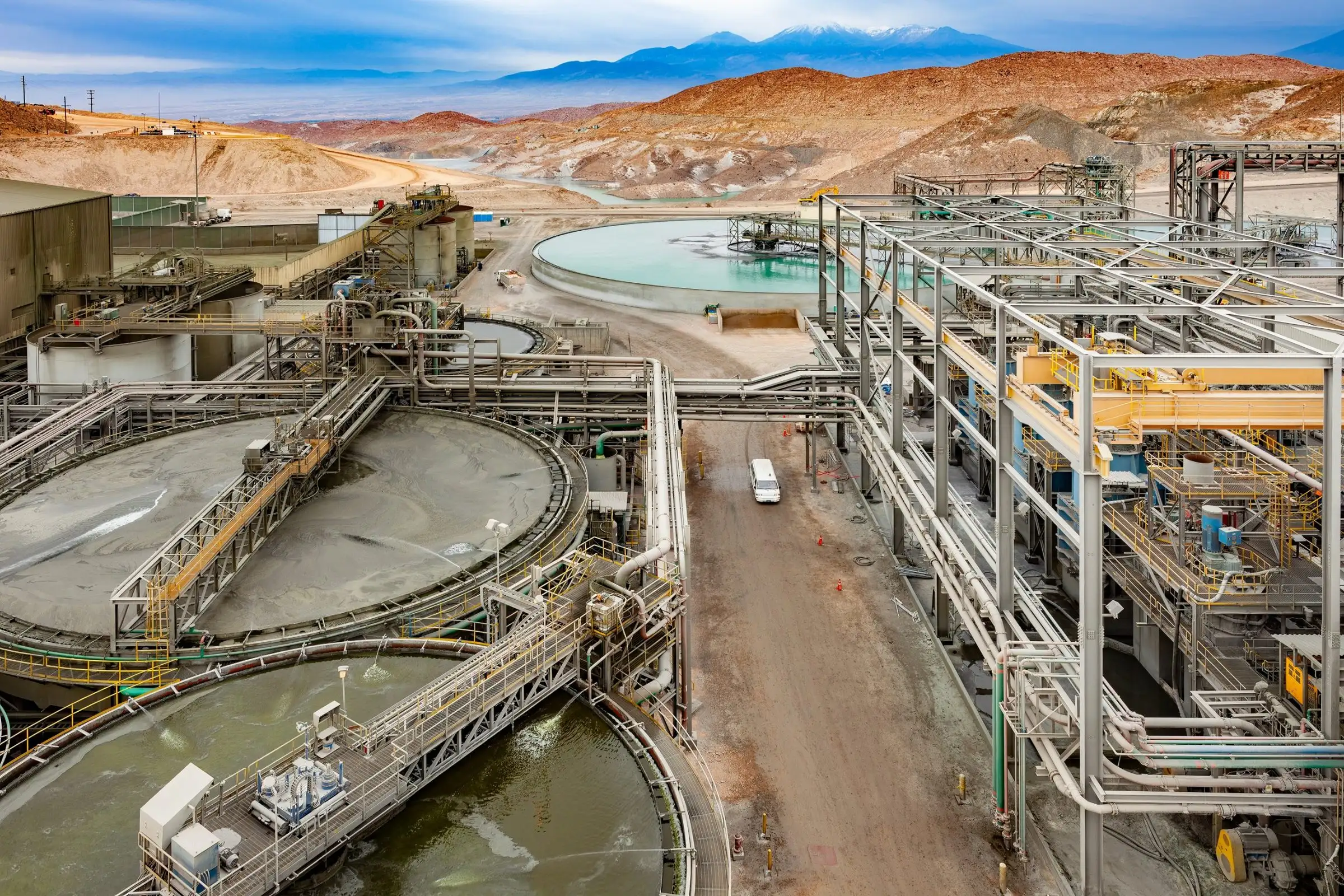
Mining and mineral processing
Maintenance strategy and CMMS build for a copper concentrator
Copper concentrator, North-Western Province, Zambia
- About 4,300plant items in the whole-plant index
- About 5,700PM task lists in the process plant build by October 2025
- 2,260of those are inspection task lists

Mining and mineral processing
Maintenance strategy and asset hierarchy for a copper smelter
Copper smelter, North-Western Province, Zambia
- About 17,500plant items across ten process areas
- 44system groups given their own strategies
- 20 daysof field verification on site, September 2026
Mining and mineral processing
Greenfield maintenance strategy for a new nickel concentrator
Nickel concentrator, North-Western Province, Zambia
- About 7,400records in the strategy database
- 41existing strategy documents and OEM manuals reviewed
- April 2026strategy development on site
Try the method on your own data
FMEA vs FMECA: how to run a failure mode analysis
The columns a plant FMECA needs and how to turn the rows into tasks.
Maintenance interval calculator
The interval with the lowest cost per operating hour, from Weibull shape, scale and two costs.
Weibull calculator
Fit your failure times, with suspensions, before choosing an interval.
Maintenance intervals: balancing cost, reliability and risk
What to do when the cheapest interval leaves reliability too low.
Questions people ask
What is the difference between RCM, FMECA and PM optimisation?
FMECA lists how each item can fail, what happens when it does and how much that matters. RCM is the decision process that uses that analysis to choose a task for each failure mode, or to choose redesign or run to failure. PM optimisation starts from the existing or OEM task list and removes, merges and re-times tasks. Critical assets get FMECA and RCM; the rest get PM optimisation.
How long does a maintenance strategy take?
For one asset class, such as a haul truck fleet or a conveyor system, about eight weeks from the data pull to handover. A whole plant is scoped in phases by process area, with the commissioning-critical or highest-risk areas first.
Can you build a strategy for a plant that has not been commissioned?
Yes. A greenfield strategy is built from P&IDs, equipment lists, OEM manuals, the criticality assessment and strategies from similar plants, then reviewed against commissioning findings in the first 90 days.
What data do you need on an operating site?
Two to five years of work orders with failure codes, the downtime records and the current PM task list, exported from your CMMS. Gaps in the data are normal; the workshops fill them with your maintainers’ knowledge.
Do you load the strategy into our CMMS?
The task lists are delivered as validated load sheets in the format your CMMS takes: Pronto and SAP PM directly, or through OnPlan where you run it. Your CMMS administrator loads them, with test-environment loads first.
Is the work done remotely or on site?
The analysis is done remotely. Field verification and the validation workshops run on site with your maintainers and operators, or on Teams for crews spread across sites.
What does it cost?
A single asset class is quoted as a fixed fee once the asset class and the data are known. A plant-scale programme is quoted by phase, with the deliverables and dates stated for each.
Who owns the output?
You do. The FMECA register, the task lists, the models and the reports are handed over in editable formats, with no licence or software lock-in.

Speak to the engineer who will do the work
Pardus scopes every project in a discussion with Miguel Pengel, the principal engineer, and a written scope with the deliverables, the fee basis and the dates follows. Larger scopes are resourced with named specialists or delivered with a partner firm.