
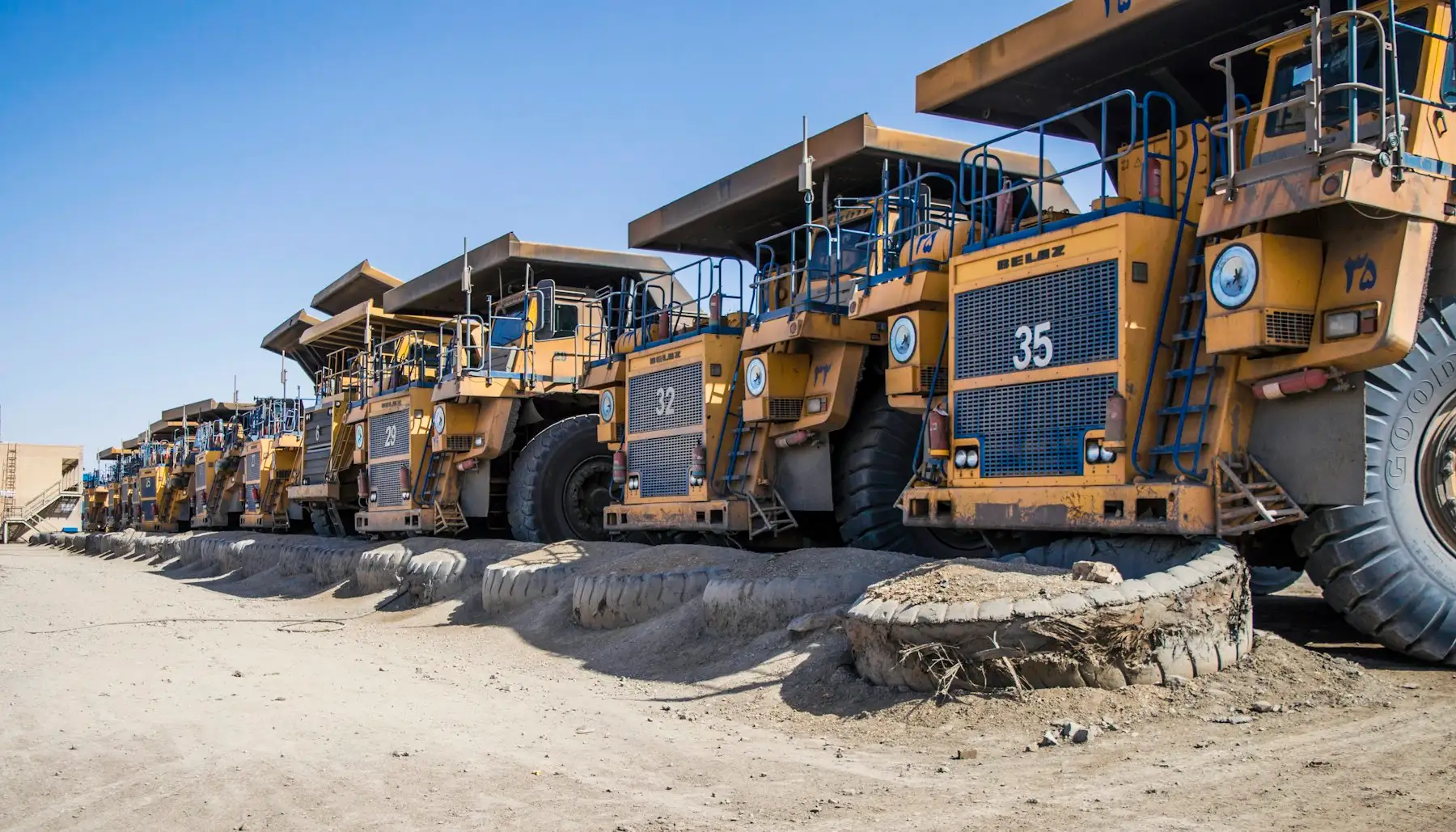
Reliability Engineering for Heavy Industry
Reliability engineering online course: 28 lessons, self-paced
Six hours of video on Weibull analysis, maintenance intervals, Monte Carlo simulation, RCM and FMECA, spares and asset life-cycle modelling. Every method comes with its Excel template and a worked example, so you can use it at work the next day.
One payment by card on the course platform. The course opens when the payment completes.
- Lessons
- 28, self-paced
- Video
- 6 hours
- Price
- US$249, one payment
- Included
- Every Excel template and a certificate of completion
More than 1,000 students from companies such as










What you will be able to do
- Perform a Weibull analysis in Excel and calculate the reliability metrics that follow from it.
- Balance failure risk against cost to find the optimal spares holding, maintenance interval and operating life of a capital asset.
- Apply reliability-centred maintenance, condition monitoring, life-cycle modelling and jack-knife diagrams on your own plant.
Who it is for
Engineers and planners in mining, oil and gas, power and manufacturing who want the methods at their own pace, and teams who want a common grounding before an on-site course. There are no prerequisites beyond a working knowledge of Excel.
The course was written to give engineers both the theory and the practical tools to manage assets better and improve reliability from the first day back at work. It covers the foundations assessed by certifications such as the CMRP and goes well beyond any single exam syllabus.
What students say
From the reviews students left on the course platform.
“I started this course when I landed a role as Reliability Engineer, Electrical. Coming from an Electrical Engineering background with only scattered ideas of what Reliability Engineering is all about, this course was exactly what I needed to get up to full speed.”
“If you really want to get straight to the action and no fluff, this is the course for you as a reliability engineer. I highly recommend this course to Reliability engineers who struggle to apply reliability techniques in real life scenarios.”
“The course is well designed and narrated. The information is practical and directly applicable in the field.”
“Good targeted principles brought out in the Course. Definitely recommend for all wanting to venture into Reliability Engineering.”

Who teaches it
The course is taught by Miguel Pengel, RPEQ (Mechanical) 28380, principal engineer at Pardus and the author of the book Reliability Engineering for Heavy Industry. The examples come from mining fleets and processing plants, and the same methods are used on Pardus client work.
What the course covers
Fourteen topics across 28 lessons. Each one ends with something you can calculate.
Reliability engineering in an industrial setting
The key ideas and where they apply on a mine or plant.
The Weibull distribution
Where it comes from and what its parameters mean.
A full Weibull analysis in Excel
Ranking, suspensions, fitting and reading the plot.
Optimal maintenance and inspection intervals
The interval with the lowest cost per operating hour.
The right maintenance strategy for a component
Replace on time, on condition, or run to failure.
Life-cycle costing for a complex asset
The whole-of-life cost of owning and operating it.
The most economical end-of-life strategy
Rebuild, replace or run on.
Jack-knife diagrams
Sorting downtime into chronic and acute failures.
Spares for a required reliability
How many to hold, by the Poisson distribution.
The optimal asset replacement time
When replacing costs less than keeping.
Monte Carlo simulation in Excel
Putting uncertainty into a capital decision.
Reliability-centred maintenance (RCM)
The questions, the decision logic and how to apply it.
Failure mode, effects and criticality analysis (FMECA)
Running one from start to finish.
Condition monitoring techniques
What each technique detects and when to use it.
What the templates produce
The same figures Pardus puts in client reports. The Excel workbooks that draw them come with the course.
The full course, US$249
28 lessons, 6 hours of video, every Excel template and a certificate of completion. One payment.
Three ways to learn
Online, self-paced
This course: the methods with worked examples, at your own pace. US$249.
On site
Two to five days at your site, with the exercises built on your own failure data. Price on request.
The book
Reliability Engineering for Heavy Industry: every method in the course, worked through on paper.
Questions people ask
How do I enrol and pay?
Enrolment and payment are on the Pardus course platform, which is hosted by Thinkific. The Enrol button opens a one-page checkout: enter your email and billing details, pay by card or Google Pay, and the course is available once the payment completes.
Is the price in US dollars?
Yes. The course is US$249 in a single payment, charged in US dollars. Your card issuer converts it to your own currency.
What do I need?
A computer with Excel and an internet connection. The templates open in Excel; no other software is needed.
I am new to reliability engineering. Will I be able to follow it?
Yes. The course starts from the key ideas and builds up to the analysis methods. The only prerequisite is a working knowledge of Excel.
Do I get a certificate?
Yes, a certificate of completion when you finish the course.
How is it different from the on-site course?
The online course teaches the same methods at your own pace, with worked examples. The on-site course works them on your site’s own data with the instructor in the room.
Can a team take the course together?
Yes. Teams often use it as a common grounding before an on-site course. For a group, ask about on-site training built on your own data.