

Asset management consulting for mines, plants and infrastructure owners
Asset management is how an organisation decides what to do with its physical assets and shows that those decisions pay. Pardus builds the framework, the plans and the work management process, and ties them to maintenance strategies and data your CMMS can run.
- Aligned to
- ISO 55001:2024, the GFMAM landscape and the IIMM
- Sectors
- Mining, mineral processing, metals and local government
- Delivered for clients in
- Australia, Africa and the Americas
- Led by
- A Certified Asset Management Assessor
What asset management is
Asset management is the coordinated activity of an organisation to realise value from its assets. That is the ISO 55000 definition. The working version is simpler: decide what each asset must do, what it costs to keep it doing that, what happens when it fails, and who is accountable for each of those decisions.
It is wider than maintenance. Maintenance keeps equipment running. Asset management decides which equipment to buy, how hard to run it, how to maintain it, when to renew it and what all of that should cost, so the plant, fleet or network meets the organisation’s objectives at the lowest whole-of-life cost and a level of risk the organisation has accepted.
An asset management system is the set of documents, processes and data that makes those decisions repeatable. A policy, objectives and a strategic asset management plan sit at the top. Asset management plans for each asset class sit beneath them. Maintenance strategies, the work management process and the asset data carry the plans into daily work. Each level sets requirements for the one below and reports performance to the one above. That link, from the organisation’s objectives down to a single work order, is called the line of sight.
The system, level by level
Six levels, each built by a Pardus service. Most organisations have some of them; the work is in connecting them.
The organisation’s objectives
What the business has committed to: production, cost, safety, service.
Policy and strategic asset management plan
What asset management must achieve, who decides, and on what criteria.
Asset management plans
For each asset class: the work, the renewals and the cost over 5 to 20 years.
Maintenance strategies and tactics
Which task on which asset, how often, and which failures to design out.
Work management and asset data
The register, task lists and work orders in the CMMS, and the process that runs them.
Performance and failure data
What the assets actually did, analysed and fed back into every level above.
The questions this work answers
- What must each asset class deliver, and what will it cost over its life?
- Who decides what gets maintained, renewed or replaced, and on what evidence?
- Do our maintenance strategies, work orders and KPIs trace back to the organisation’s objectives?
- Would our asset management system pass an ISO 55001 audit?
What Pardus delivers
Each item is a document or a model your people can run, written for your organisation and sized to it.
Asset management policy and framework
The policy, the element model, governance and the framework RACI: what the organisation expects of asset management and who owns each part.
Strategic asset management plan
Asset management objectives drawn from the organisation’s objectives, the decision criteria, and the plan to meet them. ISO 55001 requires one.
Asset management plans
For each asset class: the service it must deliver, its condition, the work and renewals it needs over 5 to 20 years, and the cost.
Work management process
Identify, plan, schedule, execute and close out, mapped step by step, with RACIs, data standards and the meetings that run it.
KPIs and operating rhythm
A KPI dictionary with the formula, data source and owner of every measure, and the tiered meetings that review them.
Maturity and gap assessment
Current practice scored against ISO 55001:2024 or the IIMM, with a ranked improvement roadmap.
Life-cycle cost models
The whole-of-life cost of each option compared on net present value, in a model handed over unlocked.
Criticality and risk
Criticality and risk registers aligned to ISO 31000, so effort follows consequence.
How an engagement runs
1
Baseline
Interviews, a document review and a look at the data: what exists, what is used, and where decisions are made without evidence.
2
Framework
The policy, objectives and element model agreed with leadership and sized to the organisation, not copied from a larger one.
3
Standards, processes and plans
Element definitions, process maps, RACIs, data standards and the plans, each requirement marked as a minimum or a target.
4
Handover and training
A training pack and sessions so your people run the system, and a roadmap with owners and dates for what comes next.
What you get
- An asset management policy and framework, with a one-page model of the system.
- A strategic asset management plan, or the template and guidance to write it.
- Asset management plans by asset class, with 5 to 20 year forecasts.
- Work management process maps, RACIs, role descriptions and the governing standard.
- A KPI dictionary and the reporting pack for each review meeting.
- An implementation roadmap, and a training pack your own people can deliver.
Asset management systems Pardus has built
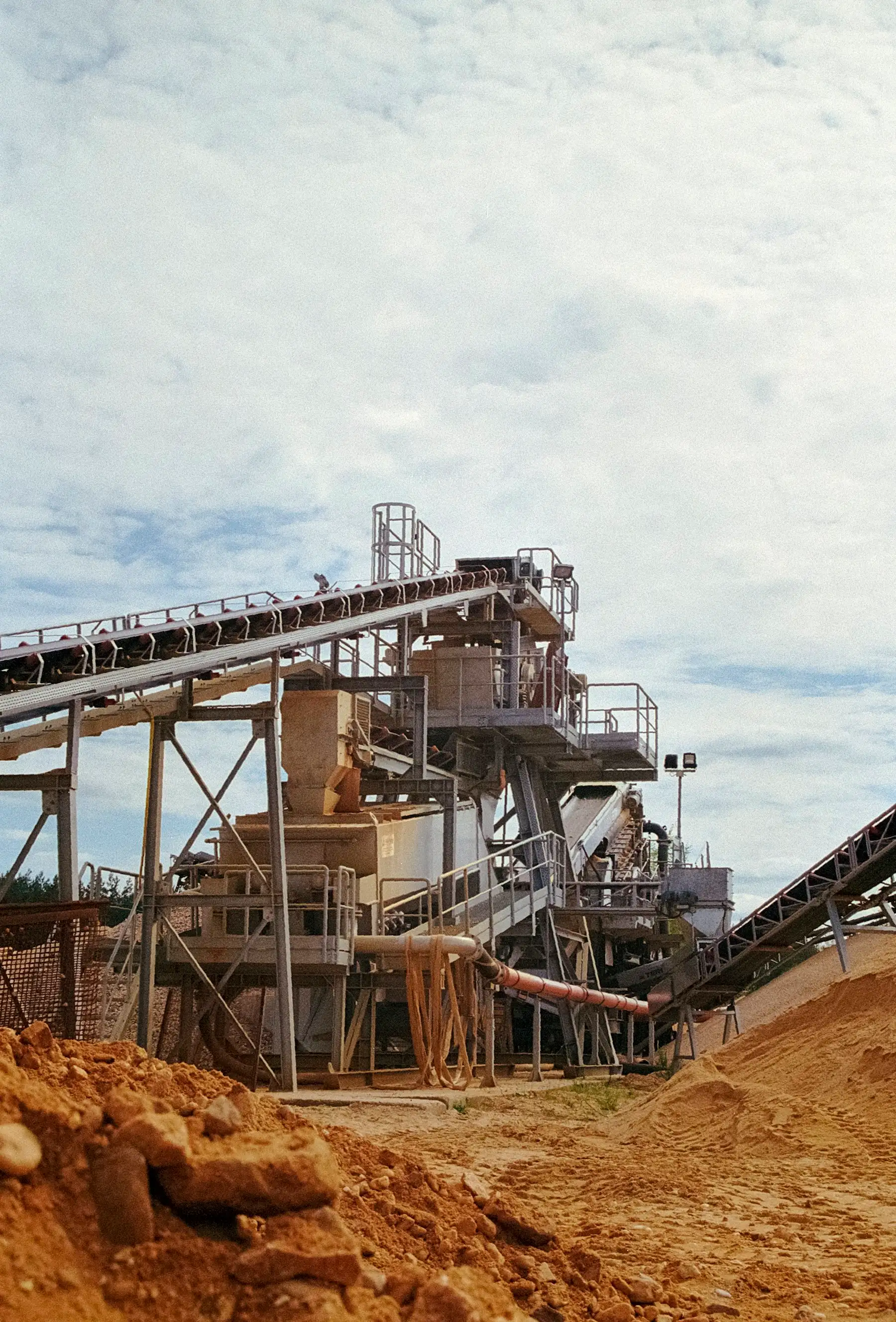
Metals processing
Asset management framework and work management process for a plant restart
Gulf Coast, Texas, United States
- 9asset management elements defined
- 7work management sub-processes mapped
- 12deliverables, programmed over eight weeks

Local government
An asset management system for a council’s bridges and major culverts
Southern Queensland, Australia
- 114bridges and major culverts
- 12modules, from maturity assessment to the plan
- 20 yearscovered by the life-cycle cost model
The parts of the system
ISO 55001 certification
The path from a gap assessment to an audited asset management system.
Maintenance strategy
The tasks and intervals that carry the plan to each asset.
Asset hierarchy and CMMS master data
The register and data standards everything else depends on.
Questions people ask
What is the difference between asset management and maintenance?
Maintenance keeps equipment running. Asset management covers the whole life of the asset: what to buy, how to operate and maintain it, when to renew it and how those decisions serve the organisation’s objectives. Maintenance strategy is one part of an asset management system.
What is an asset management system?
It is the set of policies, plans, processes and data an organisation uses to direct and control its assets. ISO 55001 sets the requirements for one. It is a management system, not a piece of software, although a CMMS or EAM holds much of its data.
What is a strategic asset management plan (SAMP)?
The SAMP converts the organisation’s objectives into asset management objectives and sets out how the asset management system will achieve them. It sits between the policy and the asset management plans, and ISO 55001 requires one.
Do we need ISO 55001 certification to benefit?
No. Most organisations use the standard as the design basis for their system without seeking the certificate. Certification matters when a customer, a regulator or an owner asks for it.
How long does it take to set up an asset management framework?
A framework and work management process for a single plant can be programmed in about eight weeks. A full system for one asset class, from maturity assessment to an adoptable plan, takes about four months. The time depends on how many elements and asset classes are in scope.
Which standards do you work to?
ISO 55000, ISO 55001:2024 and ISO 55002 for the management system, the GFMAM Asset Management Landscape for scope, the IIMM for infrastructure, ISO 31000 for risk, and ISO 14224 for equipment taxonomy and reliability data.
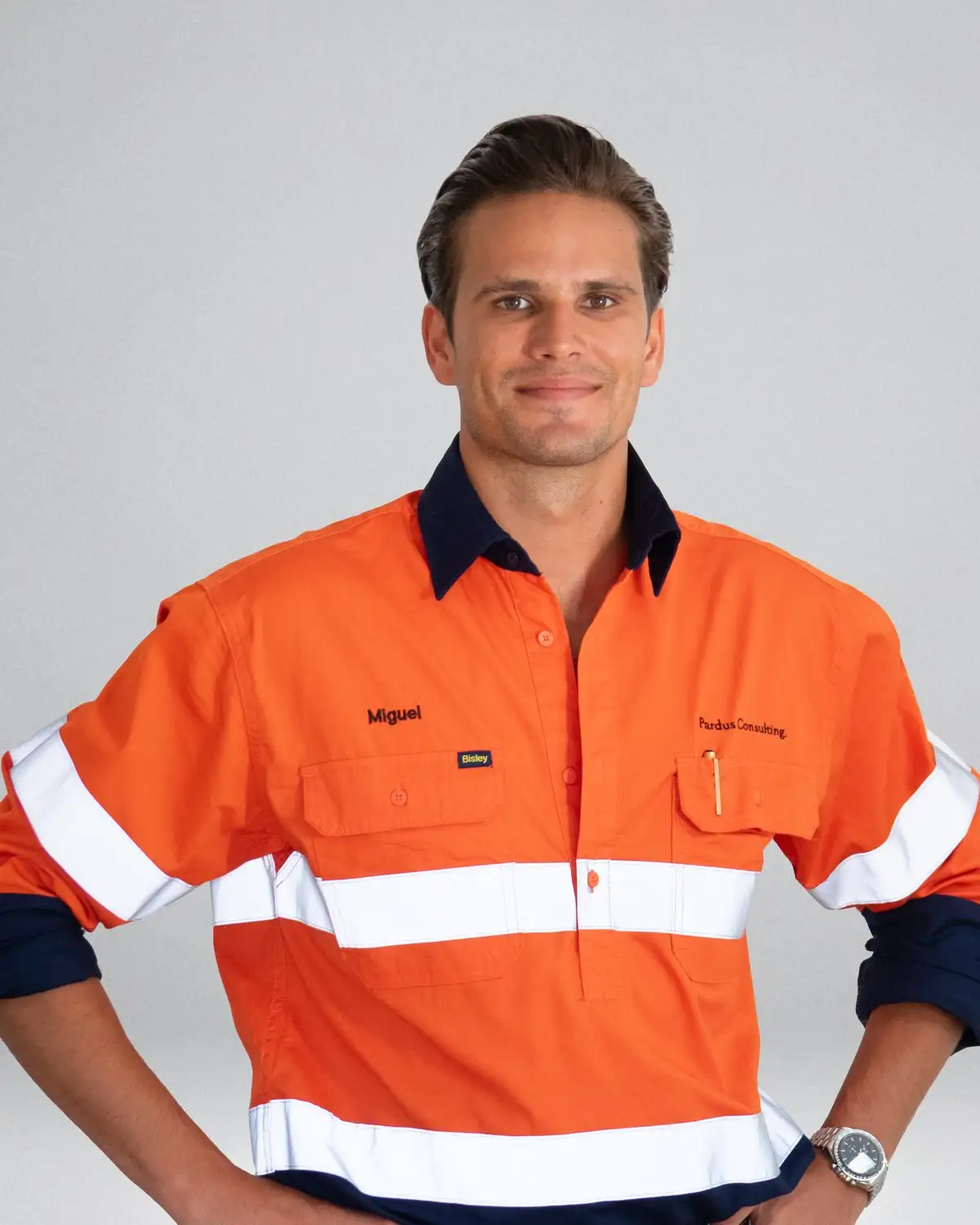
Speak to the engineer who will do the work
Pardus scopes every project in a discussion with Miguel Pengel, the principal engineer, and a written scope with the deliverables, the fee basis and the dates follows. Larger scopes are resourced with named specialists or delivered with a partner firm.