

Asset hierarchy and CMMS master data, built from your drawings
A maintenance system is only as good as its asset register. Pardus builds the plant index and the hierarchy from P&IDs, equipment lists and the existing register, aligns them to ISO 14224, and delivers validated load sheets for the asset register, PM task lists and BOMs.
- Standard
- ISO 14224 taxonomy and hierarchy
- Largest register
- About 17,500 plant items across ten process areas
- Built from
- P&IDs, equipment lists and the existing register
- Load sheets for
- Pronto Xi, SAP PM and TechnologyOne
The questions this work answers
- Does every tagged item on the drawings exist once, and only once, in the CMMS?
- Can a planner find the asset, its task list and its spares from the functional location?
- Will failure data recorded against this hierarchy be usable for reliability analysis in three years?
- Will the register be ready before commissioning starts?
What the work covers
Plant index
Every tagged item extracted from the P&IDs and the electrical and instrument lists into one index, with class and type codes.
Hierarchy and functional locations
A hierarchy from site down to maintainable item, in the ISO 14224 structure, with each asset assigned to a functional location.
Reconciliation
The index reconciled to the CMMS register, the engineering database and document control, so the tag, the drawing and the CMMS asset agree.
PM task lists and BOMs
Task lists, task instructions and bills of materials linked to the assets, in the CMMS’s load format.
Validation
Scripted checks for duplicate tags, orphan locations, missing trades and inconsistent frequencies and units, run before every load.
Data standards
What a work request, a work order, a job plan and a close-out record must contain, with failure and cause codes, so the history can be analysed.
How the work runs
1
Standards
Naming, coding, task-type, trade and frequency standards agreed with your CMMS owner, and the load format fixed.
2
Extract
Tagged items pulled from the drawings and lists, or the existing register exported, into the plant index.
3
Classify and reconcile
Each item classed, placed in the hierarchy and checked against the drawings, with duplicates, orphans and missing items resolved.
4
Load sheets and test loads
Load sheets generated, checked by script and loaded to the test environment before production.
What you get
- The plant index: every tagged item, classed and coded.
- The asset hierarchy with functional locations, in the ISO 14224 structure.
- Asset register, PM task list and BOM load sheets in your CMMS’s format.
- A validation report listing every duplicate, orphan and missing item found and how it was resolved.
- The data standard for work requests, work orders, job plans and close-out records.
- InstallationCopper mine
- Plant or unitConcentrator
- Section or systemMilling
- Equipment unitSAG mill
- SubunitLubrication system
- Maintainable itemLube oil pump
Registers Pardus has built

Mining and mineral processing
Maintenance strategy and asset hierarchy for a copper smelter
Copper smelter, North-Western Province, Zambia
- About 17,500plant items across ten process areas
- 44system groups given their own strategies
- 20 daysof field verification on site, September 2026
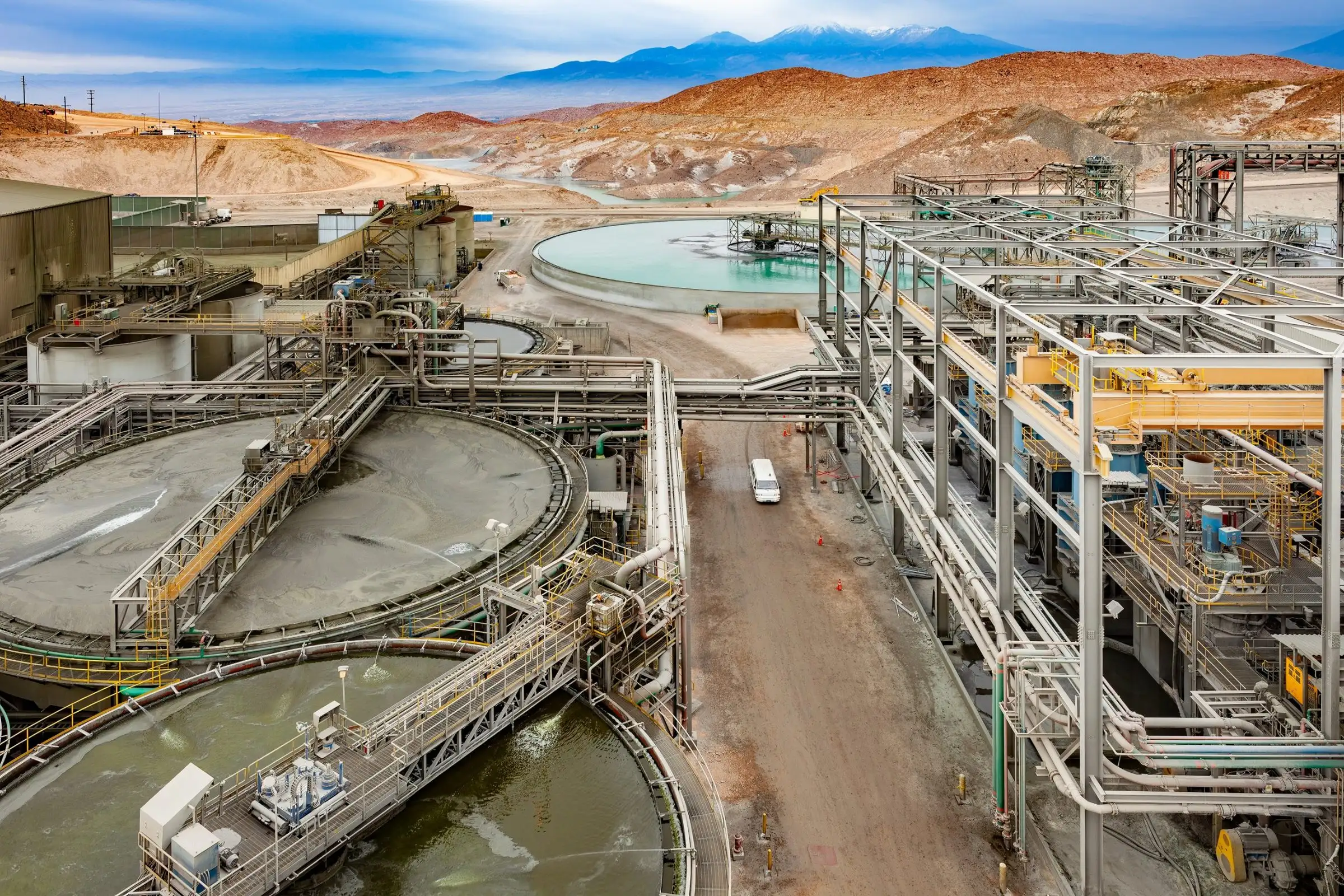
Mining and mineral processing
Maintenance strategy and CMMS build for a copper concentrator
Copper concentrator, North-Western Province, Zambia
- About 4,300plant items in the whole-plant index
- About 5,700PM task lists in the process plant build by October 2025
- 2,260of those are inspection task lists

Mining and mineral processing
Greenfield maintenance strategy for a new nickel concentrator
Nickel concentrator, North-Western Province, Zambia
- About 7,400records in the strategy database
- 41existing strategy documents and OEM manuals reviewed
- April 2026strategy development on site
What the register feeds
Maintenance planning and scheduling explained
What a planner and a scheduler each need from the CMMS data.
Maintenance strategy
Failure modes and tasks are written against the maintainable items in the hierarchy.
Reliability engineering
Failure history recorded at the right level is what a Weibull analysis needs.
Asset management
Asset information is one element of the asset management system.
Questions people ask
What is CMMS master data?
The records a CMMS needs before it can schedule work: the asset register and hierarchy, the functional locations, PM task lists and instructions, bills of materials, and the codes used on work orders.
Why align the hierarchy to ISO 14224?
ISO 14224 sets a taxonomy for equipment and a structure for reliability and maintenance data. A hierarchy built on it stops at the maintainable item, so failures are recorded at the level where reliability analysis is done, and the data can be compared across sites.
Which CMMS do you work with?
Load sheets are produced for Pronto Xi and SAP PM, and through OnPlan where you run it, with TechnologyOne for local government. The method does not depend on the system: the load format is agreed with your CMMS administrator in the first weeks.
Can you start from an existing register?
Yes. On an operating plant the existing register is exported, checked against the drawings for duplicates, orphans and missing items, and restructured where needed.
How large a register can you handle?
The largest to date is about 17,500 plant items across ten process areas of a copper smelter. The extraction and the checks are scripted, so size affects the duration more than the method.

Speak to the engineer who will do the work
Pardus scopes every project in a discussion with Miguel Pengel, the principal engineer, and a written scope with the deliverables, the fee basis and the dates follows. Larger scopes are resourced with named specialists or delivered with a partner firm.